
Core Capabilities
AI Solutions
Axiom delivers advanced Artificial Intelligence (AI), Machine Learning (ML), and Deep Learning solutions to optimize predictive modeling, computer vision, and automated data curation across mission-critical systems. We support the evaluation of both real-time and emerging research and development model systems, as well as the development and quality control of products from model systems.
Axiom engineers custom Python-based ML modules, adaptive learning classifiers, and five-stage Deep Learning pipelines covering object detection, tracking, recognition, classification and statistical analysis. These algorithms process ocean video image inputs and environmental datasets to identify patterns and data anomalies, executive supervised and unsupervised learning, and generate data-driven predictions to fill location gaps across Remotely Operated Vehicles (ROV) and camera platform datasets.


Cybersecurity Expertise
Our cybersecurity practice spans the full spectrum of defensive and offensive operations required to protect the nation’s most sensitive networks and mission environments. We deliver real-world incident response and remediation, security control assessments, continuous monitoring, and advanced threat analysis, operating automated security validation and SIEM platforms across large, distributed networks to detect, prioritize, and mitigate threats at scale. Our teams perform penetration testing, vulnerability assessments, blue teaming, red teaming, purple-team exercises, and wargaming that emulate adversary tactics, techniques, and procedures to reduce attack surface and validate security controls. We integrate cyber threat intelligence into threat emulation and vulnerability validation, applying frameworks such as the MITRE ATT&CK matrix to translate demonstrated risk into prioritized remediation, and we staff these efforts with cleared, certified professionals holding credentials such as OSCP, GPEN, CEH, and GIAC.
Complementing our operational cyber work, we bring deep expertise in security engineering, compliance, and authorization. We design and harden secure architectures built on Zero Trust principles and aligned with NIST and Risk Management Framework (RMF) standards, and we guide systems through the full assessment and authorization lifecycle, including System Security Plans, POA&Ms, continuous monitoring, and Authorization to Operate on both unclassified and classified networks. We provide Information System Security Officer (ISSO) support, FISMA-driven audit readiness and compliance reporting, authorization boundary consolidation, and reauthorization planning. We also extend these capabilities to high-consequence mission domains, applying Zero Trust architecture and specialized assessment of weapons and space systems, nuclear command, control, and communications (NC3), and critical infrastructure, including Operational Technology (OT) environments such as industrial control systems (ICS) and SCADA. Together, these capabilities allow us to secure complex environments end to end, from enterprise IT to the most mission-critical operational technology systems.
Cloud Operations and DevSecOps
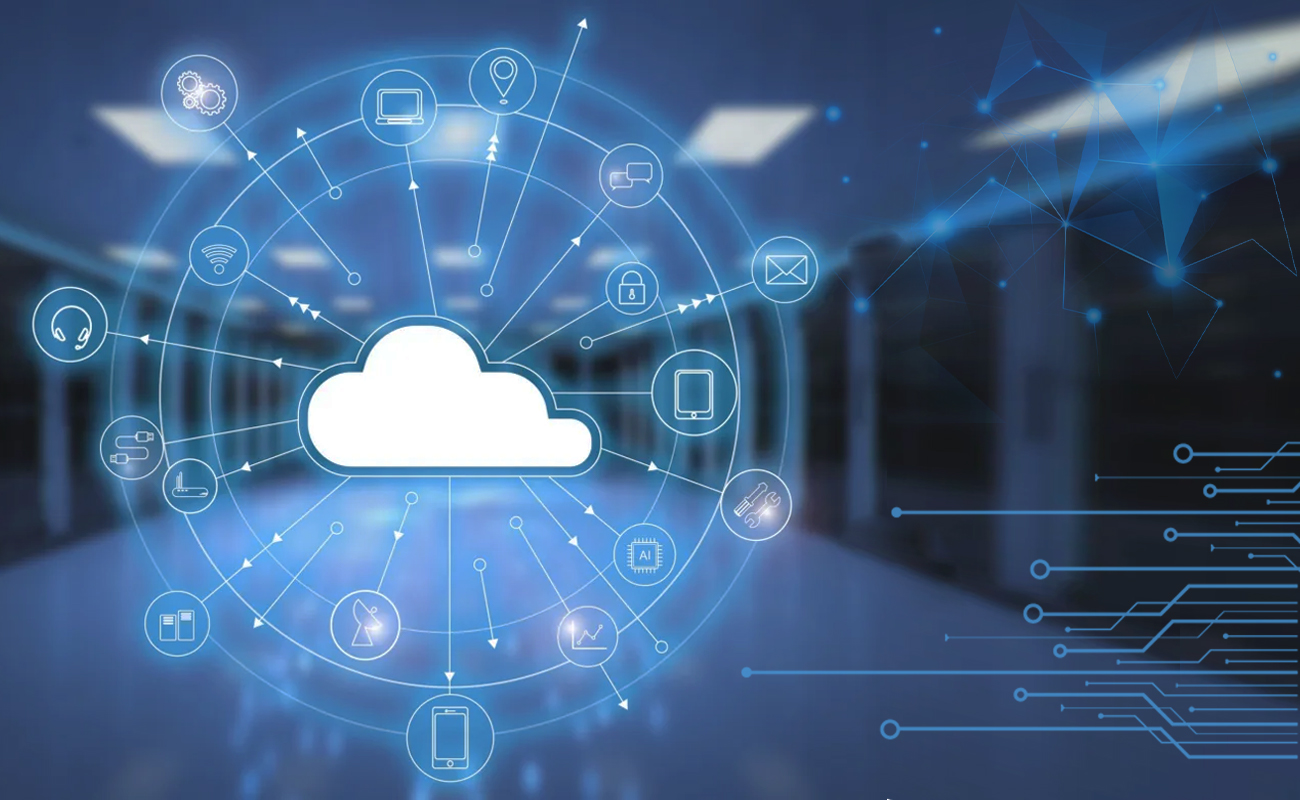
Axiom delivers end-to-end Cloud Operations and DevSecOps capabilities across enterprise multi-cloud environments – including Amazon Web Services (AWS), Microsoft Azure, and Google Cloud – supporting large-scale infrastructure modernizations, cloud migrations, and High-Performance Computing (HPC) applications such as the NESDIS Common Cloud Framework (NCCF) and the Rapid Refresh Forecast System (RRFS). Its certified cloud architects and DevSecOps engineers specialize in refactoring monolithic applications into scalable microservices and serverless architectures while automating software release through Continuous Integration/Continuous Delivery (CI/CD) workflows using Jenkins, GitHub Actions, AWS CodeBuild, and GoCD.
Axiom implements Infrastructure as Code (IaC) and automated configuration management using frameworks such as Terraform, CloudFormation, Puppet, Ansible and Chef. Furthermore, we excel in containerization and orchestration across Docker, CRI-O, Kubernetes, AWS EKS, and AWS ECS, combining automated governance – such as Argo workflows and Gatekeeper policy enforcement – with robust cloud security monitoring and FedRAMP/FISMA compliance to ensure resilient, high-availability operations across critical agency workloads.
Science and Engineering
Our science and engineering practice spans the full spectrum of environmental, physical, and computational disciplines that underpin the nation’s most critical operational missions. We deliver operational meteorology and atmospheric science support to the National Weather Service, operating and maintaining a state-of-the-art, ISO 17025-compliant meteorological laboratory for the evaluation and life-cycle support of surface and upper-air observing systems. For NOAA’s National Centers for Environmental Prediction, we provide advanced scientific programming, numerical modeling, and high-performance computing and cloud support, developing and transitioning complex algorithms for numerical forecast systems that cover mesoscale and global weather, real-time ocean features, subseasonal-to-seasonal climate monitoring, hurricane track and intensity, storm surge and inundation, air quality, land surface and hydrology, and space weather. Our staff perform data assimilation, quality control, verification and validation, and observation processing, and we bring deep systems-engineering discipline, requirements analysis, rapid prototyping, test and evaluation planning, and operational transition support to modernize and sustain mission-critical systems.
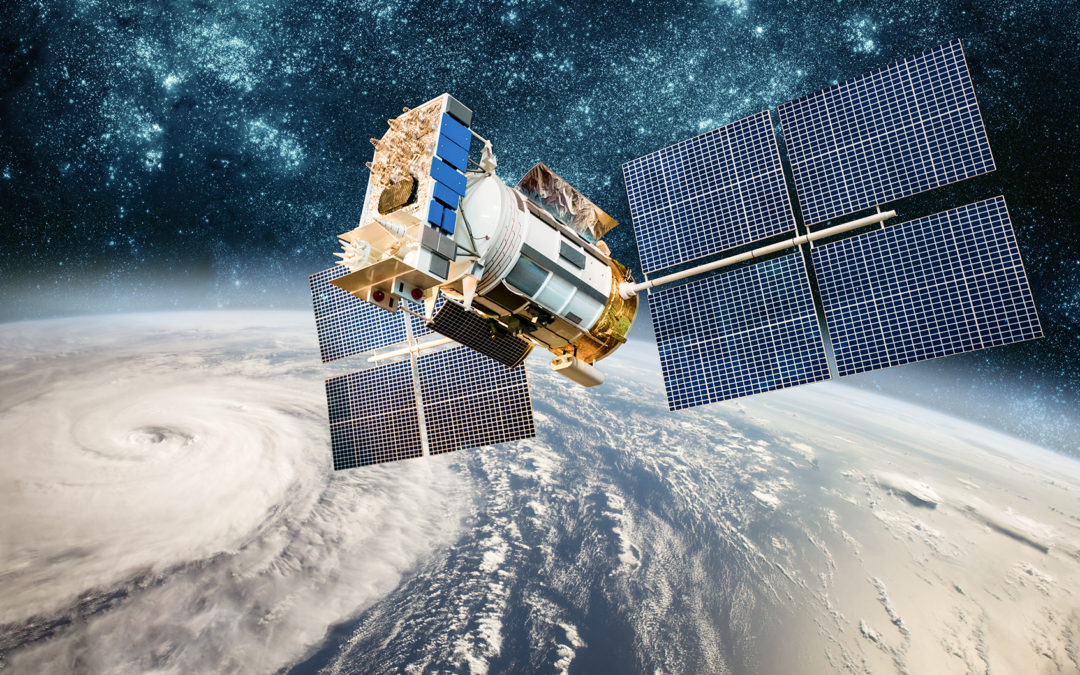
Building on that foundation, we integrate remote sensing, geospatial, and data science to turn massive scientific datasets into actionable products. Supporting NOAA/NESDIS, we architect and evolve processing systems that manage petabyte-scale volumes of remote sensing observations and data products, developing satellite-derived products across atmosphere, cryosphere, land, and ocean domains, modernizing legacy satellite imagery systems into resilient architectures, and supporting science teams on satellite-sensed ocean surface wind products. Our geospatial and GIS engineering teams design analytic mapping solutions using the Commercial Joint Mapping Toolkit, Esri Geoportal Server, ArcGIS, and RESTful web-service APIs, and build cloud-native GIS pipelines in Python, PostgreSQL/PostGIS, and open-source libraries that ingest and disseminate weather, ocean, and hydrographic data. Complementing these, our data science and AI/ML capabilities encompass numerical modeling, data integration and analytics, physics-informed machine learning, and data-center and cloud operations, enabling us to accelerate scientific computation, improve forecast accuracy, and deliver decision-support tools at operational scale.
Program Management and Process Improvement
Axiom delivers end-to-end Cloud Operations and DevSecOps capabilities across enterprise multi-cloud environments – including Amazon Web Services (AWS), Microsoft Azure, and Google Cloud – supporting large-scale infrastructure modernizations, cloud migrations, and High-Performance Computing (HPC) applications such as the NESDIS Common Cloud Framework (NCCF) and the Rapid Refresh Forecast System (RRFS). Its certified cloud architects and DevSecOps engineers specialize in refactoring monolithic applications into scalable microservices and serverless architectures while automating software release through Continuous Integration/Continuous Delivery (CI/CD) workflows using Jenkins, GitHub Actions, AWS CodeBuild, and GoCD.
Axiom implements Infrastructure as Code (IaC) and automated configuration management using frameworks such as Terraform, CloudFormation, Puppet, Ansible and Chef. Furthermore, we excel in containerization and orchestration across Docker, CRI-O, Kubernetes, AWS EKS, and AWS ECS, combining automated governance – such as Argo workflows and Gatekeeper policy enforcement – with robust cloud security monitoring and FedRAMP/FISMA compliance to ensure resilient, high-availability operations across critical agency workloads.


Records Management and Digitization
Our science and engineering practice spans the full spectrum of environmental, physical, and computational disciplines that underpin the nation’s most critical operational missions. We deliver operational meteorology and atmospheric science support to the National Weather Service, operating and maintaining a state-of-the-art, ISO 17025-compliant meteorological laboratory for the evaluation and life-cycle support of surface and upper-air observing systems. For NOAA’s National Centers for Environmental Prediction, we provide advanced scientific programming, numerical modeling, and high-performance computing and cloud support, developing and transitioning complex algorithms for numerical forecast systems that cover mesoscale and global weather, real-time ocean features, subseasonal-to-seasonal climate monitoring, hurricane track and intensity, storm surge and inundation, air quality, land surface and hydrology, and space weather. Our staff perform data assimilation, quality control, verification and validation, and observation processing, and we bring deep systems-engineering discipline, requirements analysis, rapid prototyping, test and evaluation planning, and operational transition support to modernize and sustain mission-critical systems.
Building on that foundation, we integrate remote sensing, geospatial, and data science to turn massive scientific datasets into actionable products. Supporting NOAA/NESDIS, we architect and evolve processing systems that manage petabyte-scale volumes of remote sensing observations and data products, developing satellite-derived products across atmosphere, cryosphere, land, and ocean domains, modernizing legacy satellite imagery systems into resilient architectures, and supporting science teams on satellite-sensed ocean surface wind products. Our geospatial and GIS engineering teams design analytic mapping solutions using the Commercial Joint Mapping Toolkit, Esri Geoportal Server, ArcGIS, and RESTful web-service APIs, and build cloud-native GIS pipelines in Python, PostgreSQL/PostGIS, and open-source libraries that ingest and disseminate weather, ocean, and hydrographic data. Complementing these, our data science and AI/ML capabilities encompass numerical modeling, data integration and analytics, physics-informed machine learning, and data-center and cloud operations, enabling us to accelerate scientific computation, improve forecast accuracy, and deliver decision-support tools at operational scale.